Is Spain Safe for Tourists? What Actually Goes Wrong, and How to Avoid It
This post contains affiliate links. If you book through them, I may earn a small commission at no extra cost to you.
Yes. Spain is one of the safest countries in Europe to take a holiday in, with one caveat: the thing that actually goes wrong for visitors is theft, not violence. Almost everything in the scary headlines comes down to pickpockets, balconies, hire cars, the sea and the sun.
At a glance
- Official advice: no British advice against travel to any part of Spain, and the US has Spain at the same caution tier as most of Western Europe.
- The real risk: distraction theft in cities, airports and car parks, not violent crime.
- The honest order: theft, then heat and sunburn, then the sea, then balconies.
Is Spain safe right now?
The UK Foreign Office has no advice against travel to any part of Spain, mainland or islands. The US State Department has Spain at Level 2, exercise increased caution, the same tier as most of Western Europe. Its 1 August 2026 update put Ceuta, the Spanish enclave in North Africa, at Level 3. That does not touch a costa or island holiday.
What actually gets stolen, and where
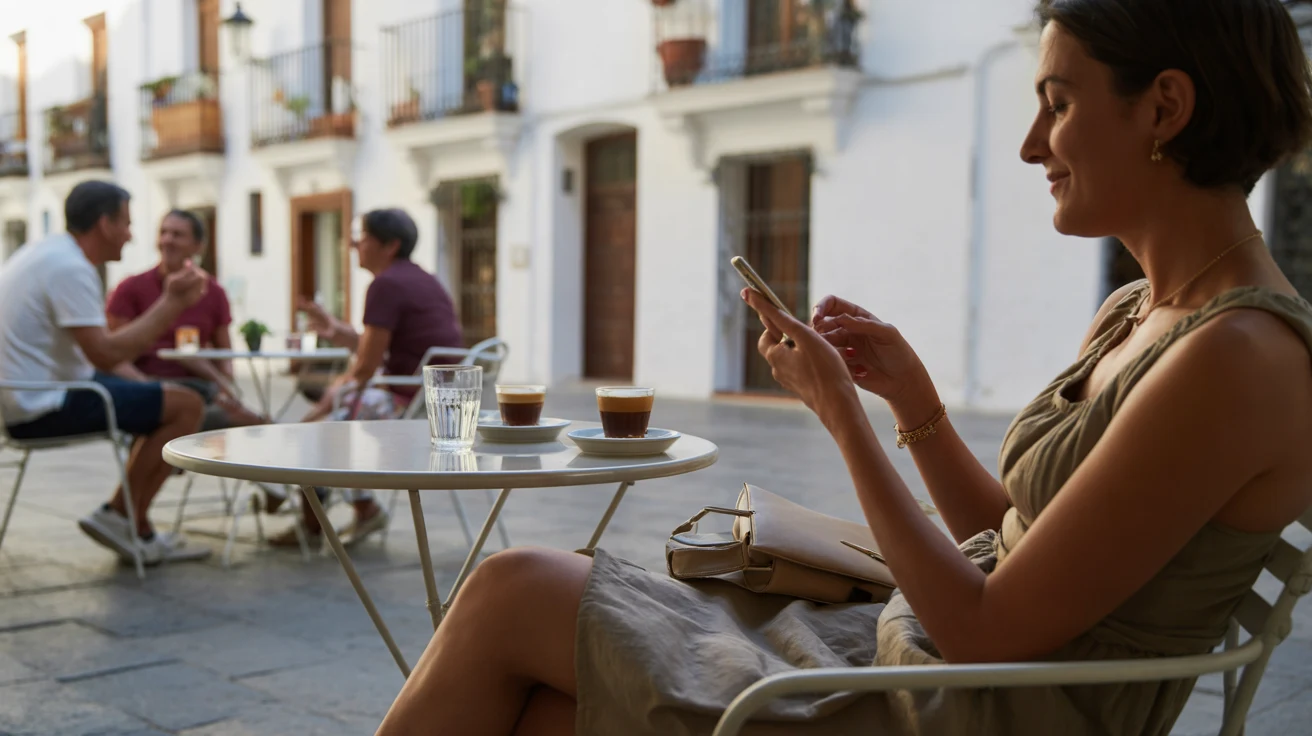
Theft happens where crowds and distraction meet: the metro and buses in Barcelona and Madrid, markets and the main tourist streets, café terraces where a phone sits on the table, beach bags left while you swim. Airports are the underrated one, both the luggage belt and the queue at the car-hire desk, which is exactly when your hands are full and your attention is elsewhere.
It is rarely a lone hand in a pocket. It is a team and a diversion: a question, a map, a spilled drink, a petition, a cheerful “you dropped this”. The fake-police version is worth knowing, because someone in plain clothes asks to check your wallet for counterfeit notes. Real officers ask for your ID. Never your wallet or your bag.
Carry one card and a photo of your passport data page separately from everything else. Once the hotel has registered your passport at check-in, the Foreign Office advises keeping it yourself rather than leaving it with reception.
Balconies, bar measures and the Balearic rules
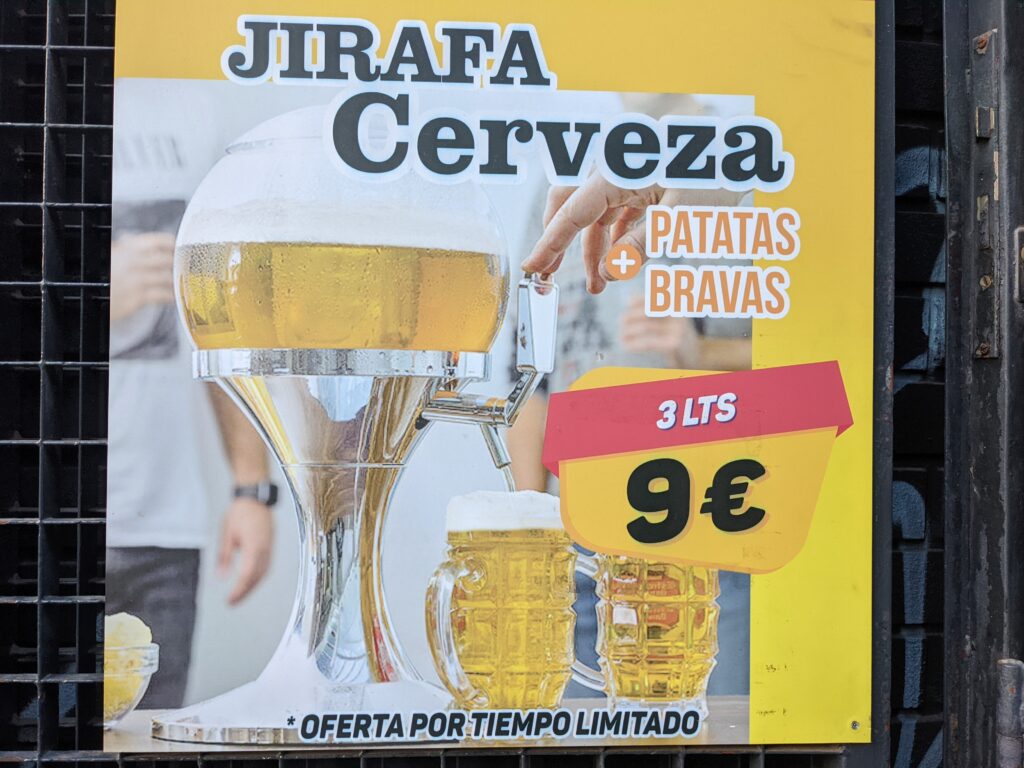
This is where the headlines come from. The Foreign Office records serious and sometimes fatal falls from balconies by British visitors, some regions now fine or evict people for messing about on them, and insurance may not pay out when alcohol or drugs are involved. Spanish spirit measures are free-poured and stronger than UK ones, so three drinks here are not three drinks at home.
Drink spiking happens. Buy your own and keep it in sight. In Magaluf, Playa de Palma and San Antonio, local law bans happy hours, open bars, pub crawls and party boats, and off-licence sales stop between 21:30 and 08:00. Street drinking carries on-the-spot fines in plenty of municipalities, and illegal villa parties on Ibiza and Mallorca are fined too.
Hire cars and the flag-down trick
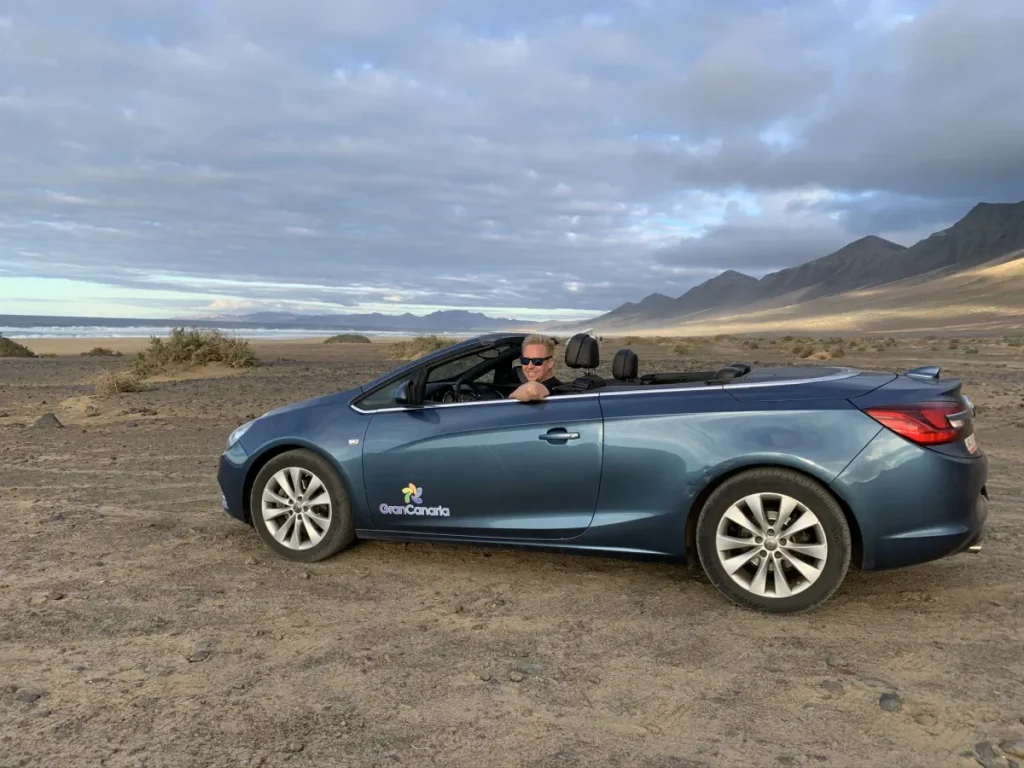
“Highway pirates” target foreign plates and hire cars, caravans especially. They wave at you, point at your wheel, or claim you damaged their car, and the stop becomes the theft. If you need to pull over, do it at a service station in the light. Genuine traffic police are uniformed, unmarked cars display an illuminated “Policía” or “Guardia Civil” sign, and they ask for vehicle documents.
Leave nothing visible in a parked car. Not a jacket, not a charging cable. Viewpoints and beach car parks are where boots get opened.
Sea, heat and wildfires
Red flag means stay out of the water, yellow means caution, green means fine. Lifeguards are seasonal, so a beach that is patrolled in August has nobody on it in February. Keep small children within arm’s reach even when a lifeguard is there. Currents around the islands are strong, and never swim where a river meets the sea or dive into water you do not know.
Summer heat is the risk people underestimate: check the warnings on AEMET, the state weather service, and plan around the middle of the day. Wildfires are common, including on the islands. Barbecues are banned in forest areas, causing a fire is a criminal offence even by accident, and you report one by calling 112.
At night, alone, with kids
Spain runs late, and that is a safety feature. At midnight the streets of a costa town still have families, grandparents and people eating dinner on them, so you are rarely walking anywhere empty. Nobody here thinks twice about going home at 2 am. The ordinary rules still apply for solo travellers and women: lit streets, known routes, a charged phone, and leave a party where you no longer like the feel of it.
Families have it easy. Children are welcome in restaurants at hours that would raise eyebrows in Britain, and resort areas are built around them. The usual caution applies in the small hours in the nightlife strips, which is less about danger and more about drunk tourists; my Benidorm travel guide explains how that town splits between the strip and the old town.
Tap water and public Wi-Fi
Spain is safe. The Wi-Fi is not. Mains tap water is treated and drinkable everywhere, and since Law 7/2022 bars and restaurants must offer free tap water on request. On parts of the coast it tastes of chlorine or minerals, which is the only reason locals buy bottled.
Hotel, café, airport and train Wi-Fi are shared networks, including PlayRenfe on the AVE trains. Use mobile data for banking and work logins, and keep the open Wi-Fi for maps and messages. Several UK networks and most US plans charge by the day in Spain, so a data eSIM bought before you fly is often cheaper; the eSIM and SIM card guide for Spain compares the costs network by network. A VPN such as NordVPN keeps banking and bookings private on a shared network, and keeps the streaming and banking apps you already pay for at home working while you are away.
Cards and cash
Contactless works up to 50€ per tap without a PIN, and above that the terminal asks for it, so know your PIN before you travel. Euro-zone cards behave exactly as they do at home. Small bars, markets and some taxis still prefer cash, so carry a little, but not a wad.
If something goes wrong
| Who | Number | When |
|---|---|---|
| 112 | 112 | Any emergency. Free, multilingual, the operator can see your location |
| Policía Nacional | 091 | Crime in towns and cities |
| Guardia Civil | 062 | Roads, rural areas, mountain rescue |
| British Consulate | +34 917 146 300 | Lost passport, consular help |
Install AlertCops before you fly. It is the Interior Ministry’s free app: report an incident to the police in English without phoning, with chat translation, geolocated alerts and a Guardian feature that shares your live location with chosen contacts. Registration takes a few minutes, which you will not want to do mid-crisis.
For theft you need a denuncia, the police report every insurer asks for. SATE desks, the foreign-tourist service run with the Guardia Civil, operate seasonally in resorts including Magaluf, Sant Antoni, Finestrat and Orihuela Costa, and year-round in Mijas; Barcelona and Madrid have their own tourist-assistance police posts. A GHIC or EHIC covers state healthcare at local rates and is not insurance. American visitors have no state cover at all.
Common questions
Is Spain safe for a solo female traveller?
Broadly yes, and many women travel Spain alone without incident. The late clock helps: streets stay populated long after they would empty in Britain. Street harassment exists as it does anywhere, and the sensible night-time habits you use at home are the ones to keep.
Is Barcelona dangerous?
No. Barcelona is a pickpocketing capital, not a dangerous city. The crime that targets visitors is theft on Las Ramblas, the metro and the beach, and it is opportunistic. Keep your bag closed and in front of you and the odds drop sharply.
Do I have to carry my passport in Spain?
You must show photo ID to police on request. Most visitors carry a photocopy or phone photo of the passport plus a driving licence, and leave the original in the hotel safe. Carry the real one if you are flying or crossing a border that day.
Get Spain travel tips in your inbox
Occasional, genuinely useful emails — best times to visit, local tips, and deals. No spam.
Plan your trip to Spain
- Trip.com: A great source for finding flights and airport connections. I have noticed that it finds flight connections that some other search engines miss.
- Booking.com: My favourite site for booking hotels and apartments (and occasionally flights). They have the best filters and I like the user friendly interface.
- Hotels.com: The most popular hotel booking platform in many countries, US included.
- Get Your Guide: A massive selection of tours and excursions. They have tons of options available in Spain, including walking tours, cooking classes, museum options, boat tours and more!
- DiscoverCars: Want to explore charming villages and get out of the busy cities? DiscoverCars pools together the best offers from car rental operators for your convenience.
- Omio: Want to find the best option to move between cities in Spain? I use Omio for that. Plus you get to book the ticket from the same amazing platform.
- yesim: Need a local SIM card for your trip to Spain? A stress free holiday nowadays (unfortunately) might start from a good connection, so get an eSIM with unlimited or prepaid data.
- NordVPN: Hotel, café and airport Wi-Fi in Spain is shared with everyone else on it. A VPN keeps your banking and bookings private, and lets you watch the services you already subscribe to at home while you are away.
- VisitorCoverage: Not interested in checking out Spanish public health care system on your holiday? (like I've managed to do..) A cheap travel insurance gets that stress out of the way.
Some links above are affiliate links. If you book through them I may earn a small commission, at no extra cost to you.