The Ultimate Alicante Travel Guide
This post contains affiliate links. If you book through them, I may earn a small commission at no extra cost to you.
Why come: Like Barcelona, it’s a great combination of a beautiful city, amazing Mediterranean beaches and, in my opinion, restaurants that are exceptionally good value for money. There are several excellent day trip options nearby accessible by public transport or rental car.
Travel from abroad: Easy. Direct flights are available every day and the 15km journey from the airport to the city centre is quickly accessible by taxi or bus.
When to travel: Alicante has a pleasant Mediterranean climate, so the best time to travel is spring or autumn, although winters are mild and mostly sunny. I recommend avoiding July and August when it is hot and humid and the city is full of tourists. The local midsummer festival, Festival de San Juan (Hogueras), is worth experiencing with bonfires in the centre of town and 10 metre high Fallas statues that are burned on 24th of June (2026).
Note: The beaches in the Alicante region, unlike in Barcelona and Valencia, for example, do not have freshwater showers.
Similar destinations: Barcelona, Malaga, Valencia. I’ve lived both in Barcelona and Valencia so I can compare those to Alicante!
How many days do you really need in Alicante?
One day is enough to see why people fall for the place. Three days is when it starts to feel like a real holiday. A week, and you’ll need an excuse to leave.
Here is how I’d plan it.
One day, in town: walk the Esplanada in the morning when the marble is still cool, take the lift up to Castillo de Santa Bárbara before the heat builds, lunch in Casco Antiguo, swim at Postiguet in the afternoon, dinner around Plaza Santa Faz when the bars come alive. Not a great day. A complete one.
Two days: add San Juan beach for a slow morning, then either Tabarca Island (half a day, by boat) or one of the towns up the coast like Altea or Villajoyosa. The second day should be the slow one. The first does the cardio.
Three to four days: the city plus two day trips. Combine Tabarca with a hill town like Guadalest, and keep an afternoon free to do nothing on the beach. Most visitors over-program these. Don’t.
A week: use Alicante as a base. The whole Costa Blanca is reachable by tram, train, or short drive. Benidorm in 45 minutes, Calpe with its rock in just over an hour, the Sierra de Aitana behind it for hikes. My day trips guide goes deeper on the options worth the journey.
What to eat in Alicante (and where)
Alicante is a rice city. People come thinking “paella,” and they should. But the version that actually belongs to this part of Spain is arroz a banda. It looks plain. A flat pan of rice, deep amber from fish stock, served with garlicky alioli on the side. No clams or shrimp on top. The flavour does the work. Order it for two people minimum and ask for it socarrat if you want the crusty bottom layer (you do).
The other rice dish to know is arroz al horno, baked with chickpeas, blood sausage, and a head of garlic in the middle. Heavier. A winter dish, but served year-round.
For tapas and casual eating, head to the streets between Mercado Central and the cathedral in the late evening. The market itself is worth visiting in the morning. You can put together a picnic of jamón, manchego, olives, and bread for not much money, and there are bar counters inside if you don’t want to walk it back.
Two things you should taste before you leave:
- Turrón de Jijona — soft almond nougat from the town of Jijona, half an hour inland. Sold everywhere, but the proper version (the box will say so) is worth seeking out.
- Turrón ice cream at any old-style heladería around the Esplanada. The local crossover, and far better than it sounds.
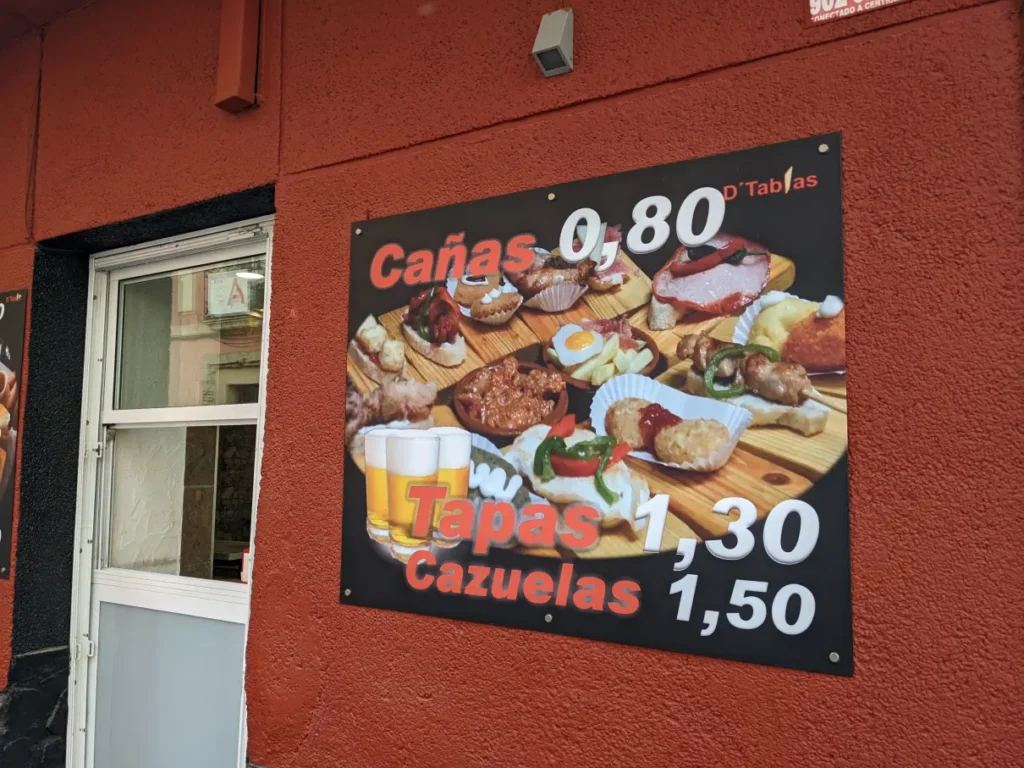
And one warning: avoid the menu-with-photos restaurants directly on the Esplanada. They survive on tourists who don’t know better. Walk one block inland and prices drop, quality climbs.
Most Interesting Areas in Alicante
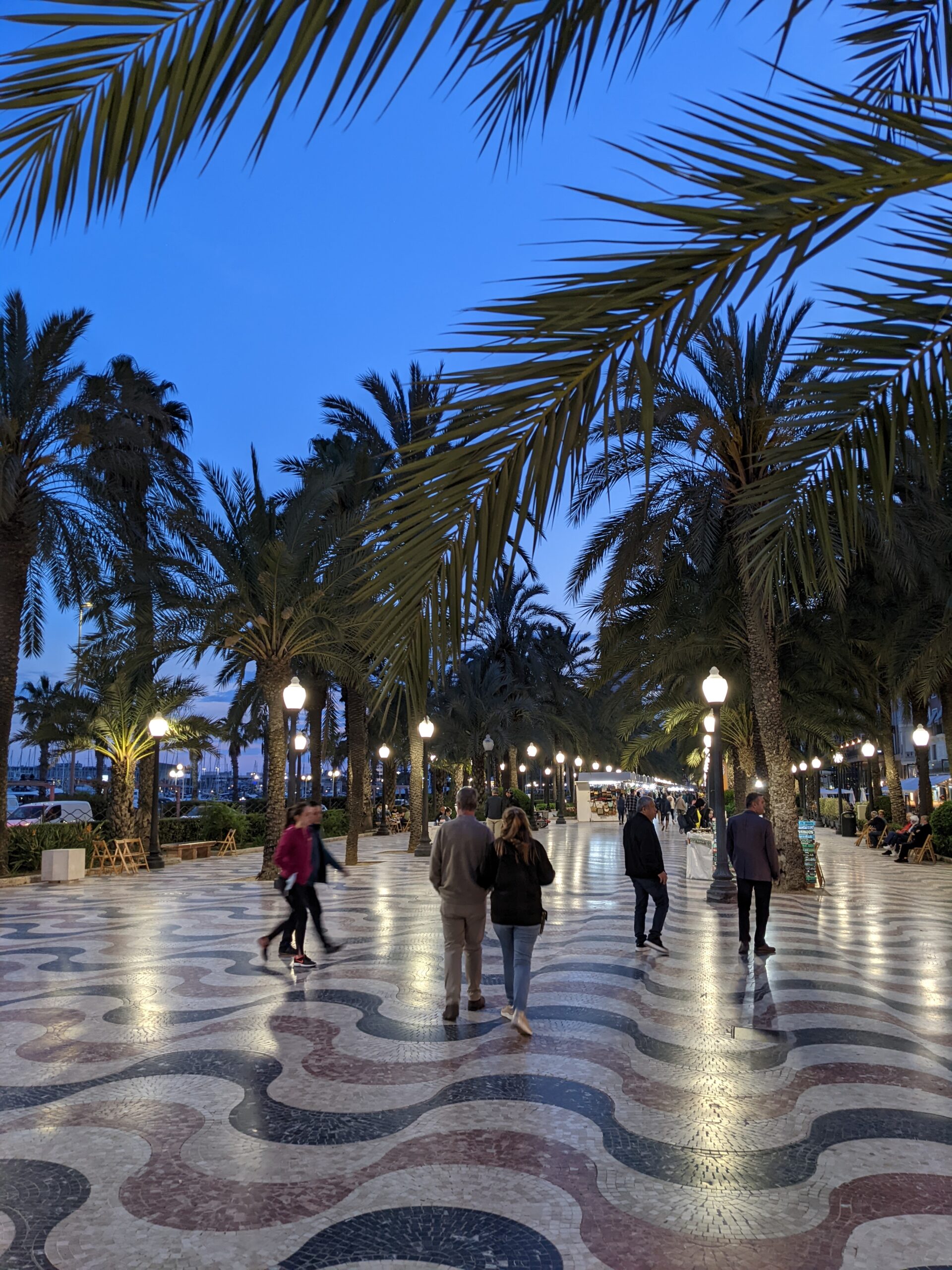
Passeig Esplanada: A really beautiful promenade between the centre and the sea full of nice terraces where to enjoy refreshments or a little tapa under the palm trees. The promenade is a mosaic of more than 6 million small stones made in the shape of waves in three different colours. If you are into tours, the guides will explain you the history of this stunning promenade in detail.
When: a short walk would be good for the digestion
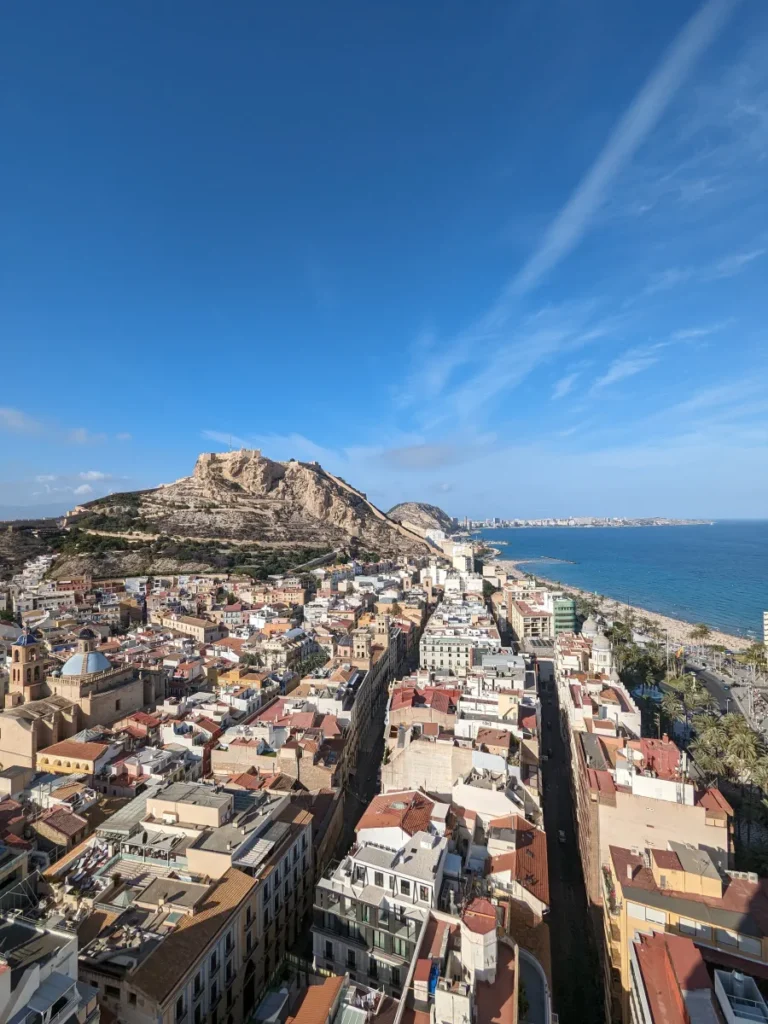
Casco Antiguo: The old town of Alicante with charming alleys and some chill bars and restaurants, but in my opinion modest compared to the old parts of most Spanish cities. Higher up on the hillside there are some really nice little streets, which also offer a great view of Alicante city and harbour.
When: you don’t know where to start
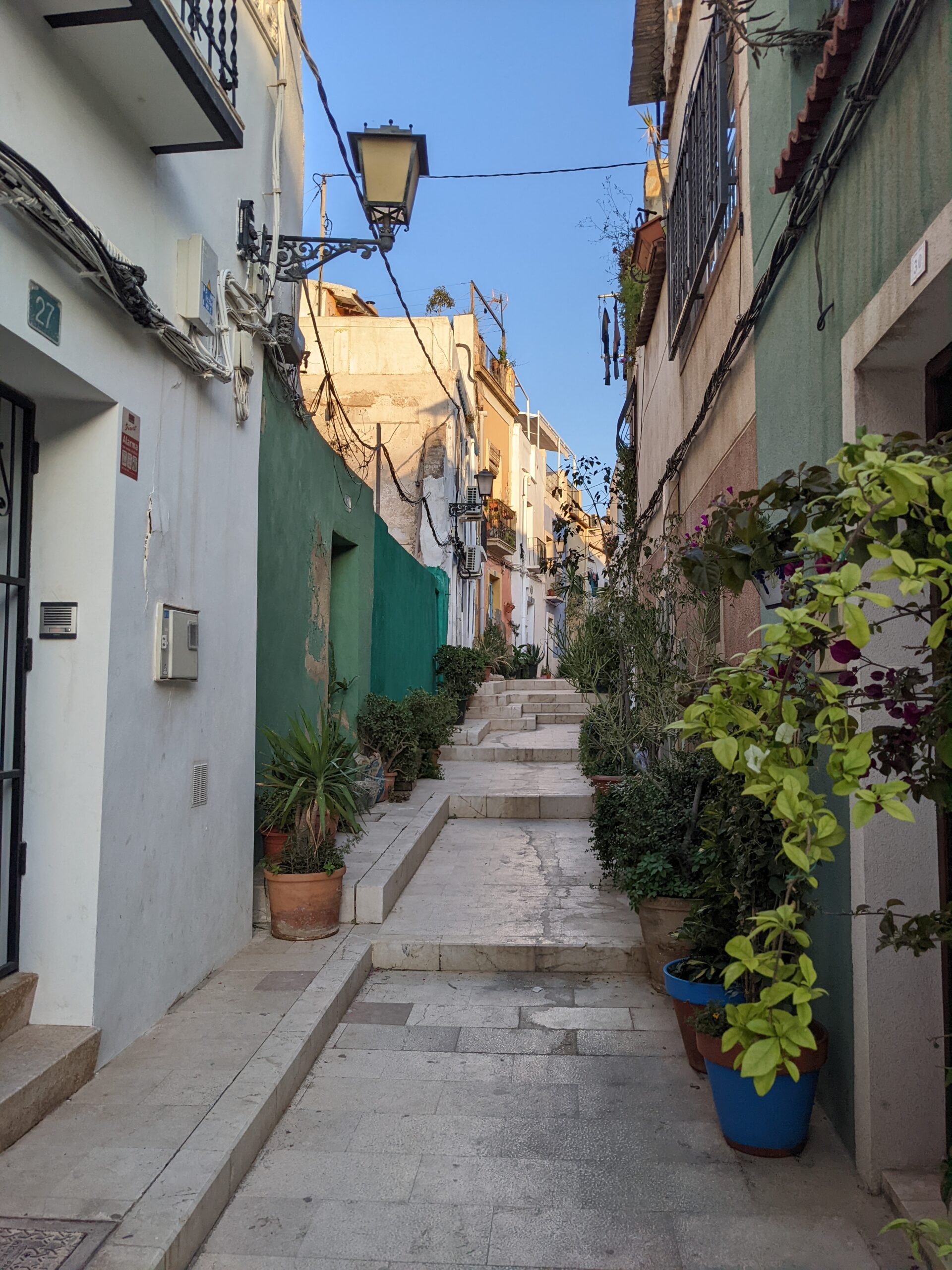
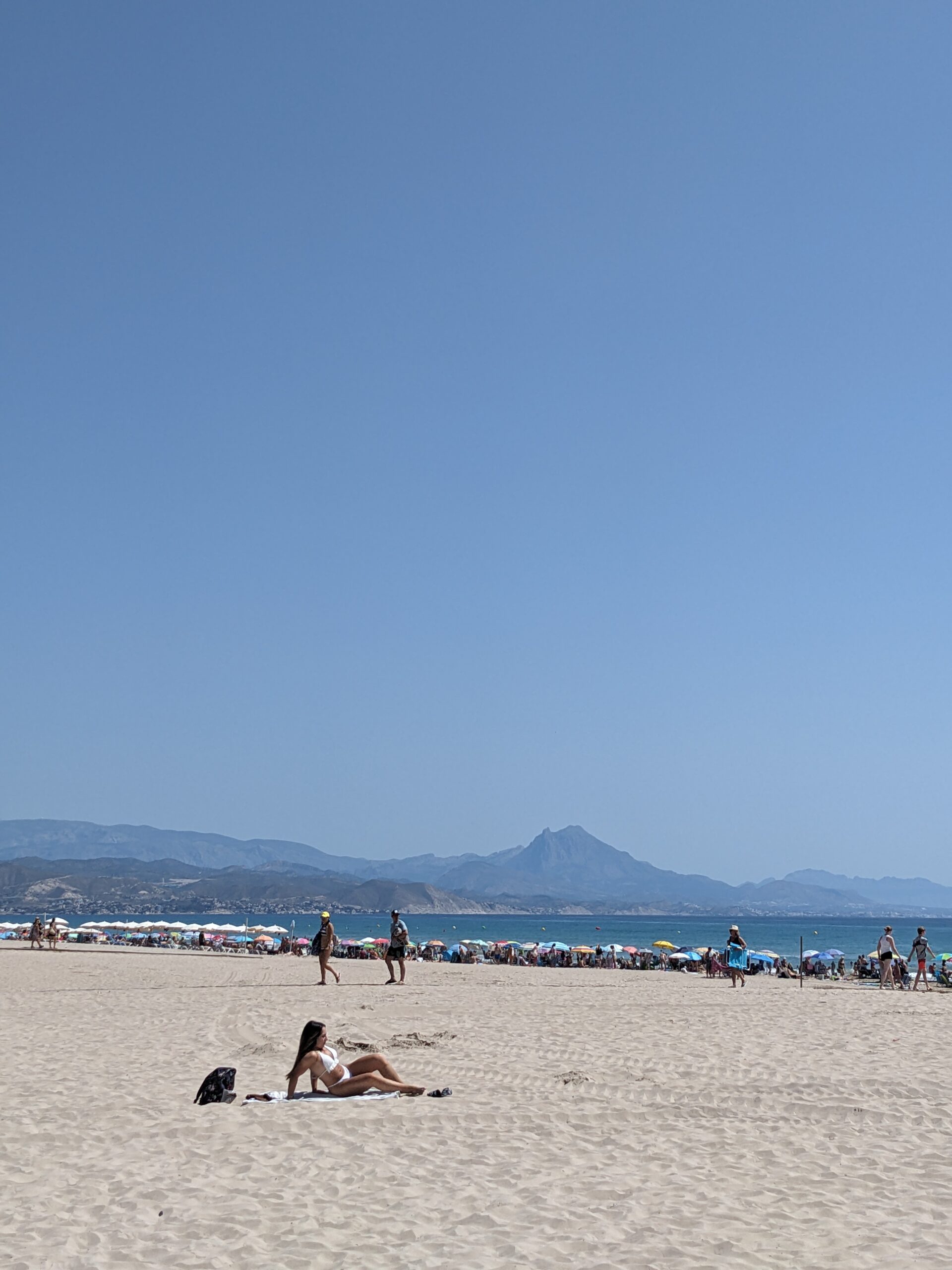
San Juan: In my opinion, the best beach in the larger cities of Mediterranean Spain! Fine sand, really clear water and an adjacent boulevard full of terraces. Without the disturbing traffic. The best way to get from Alicante is by taxi (about 15€) or tram (lines 3&4). Does not get super crowded.
When: in the mood for a lovely day at the beach
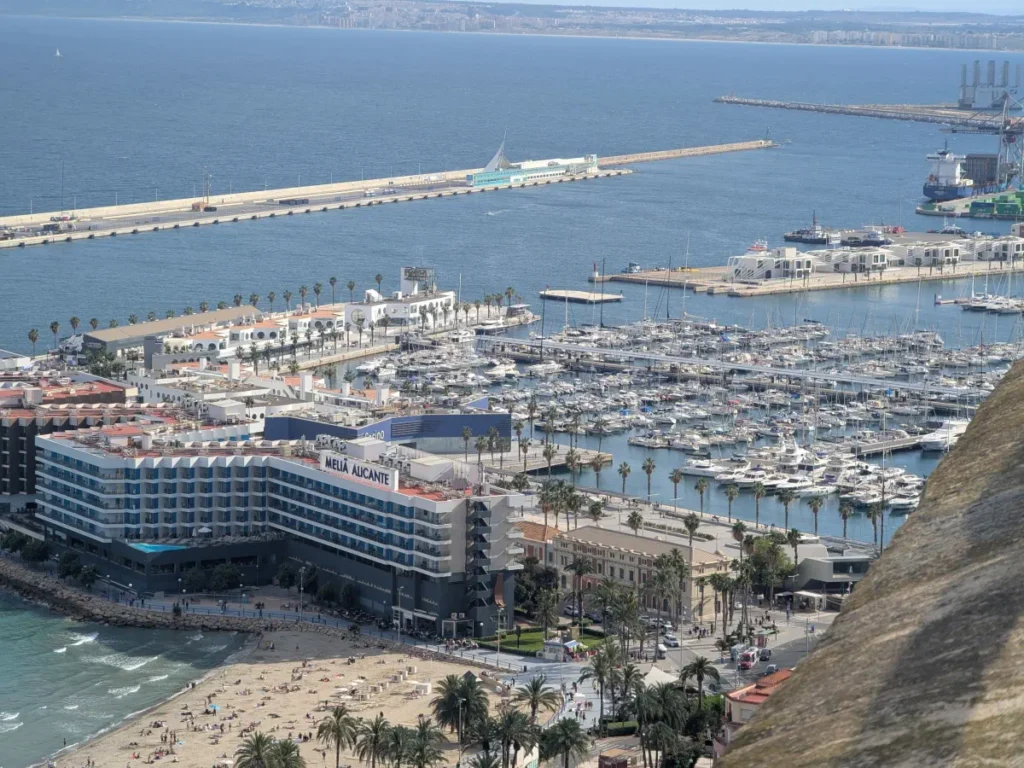
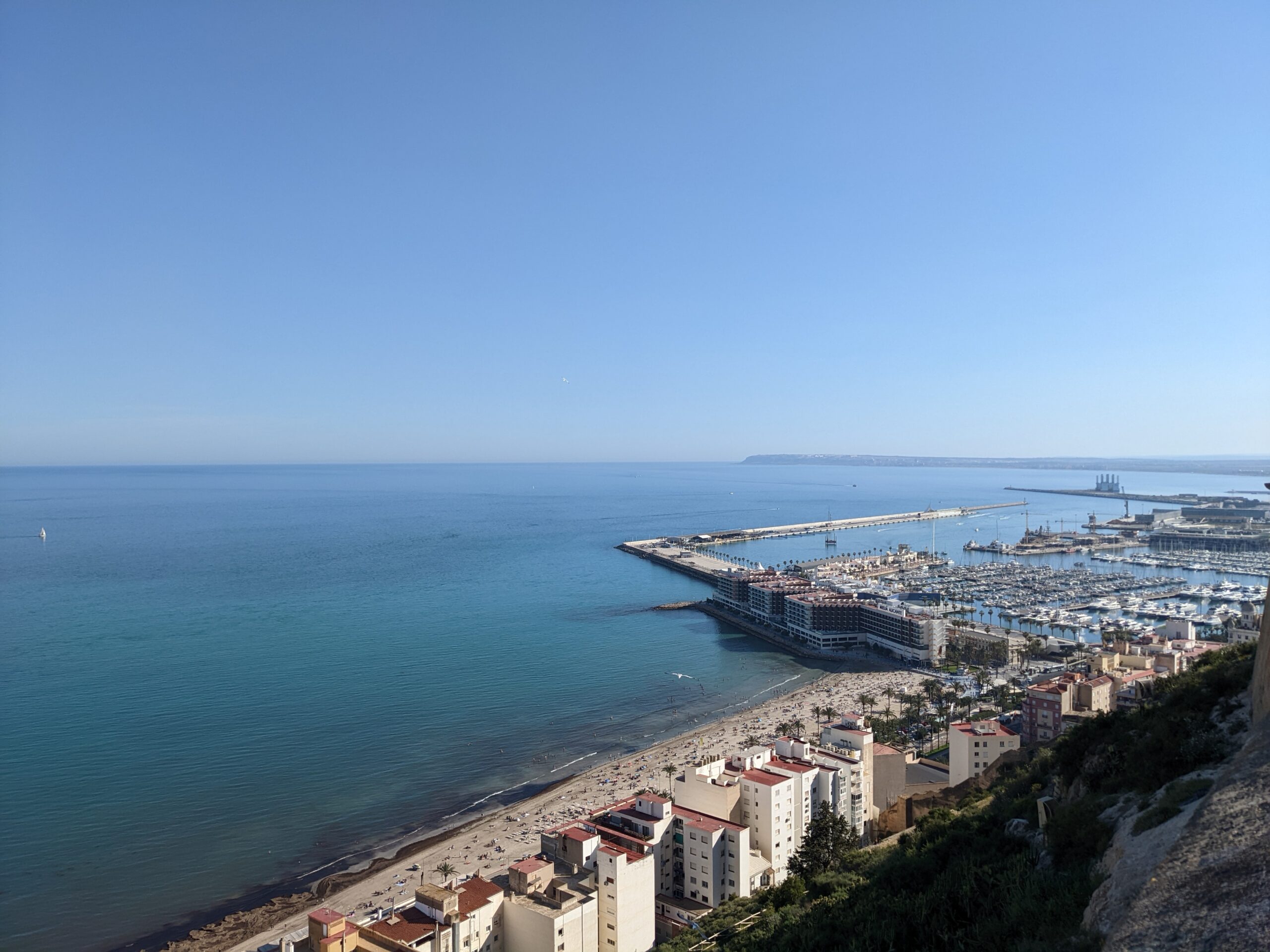
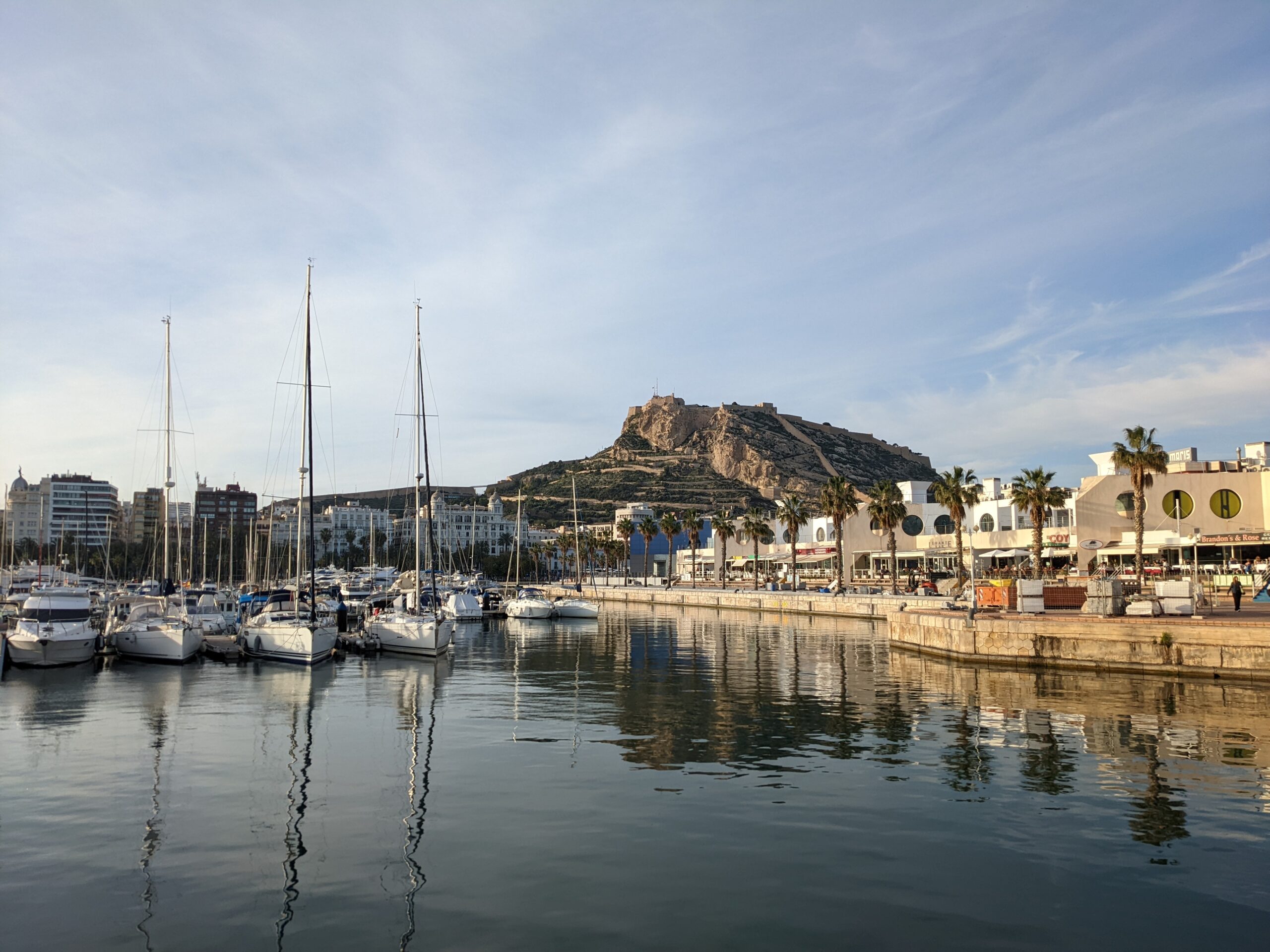
Castillo de Santa Barbara: A medieval castle, accessible by lift from the beach side. Pretty handy, isn’t it? The best views in town, and without the painful climb of hundreds of metres. You can walk down from the west/central side to watch the sunset, or stop for a picnic, as I did many times. At the same time, you can conveniently descend into the old town.
When: you like beautiful scenery
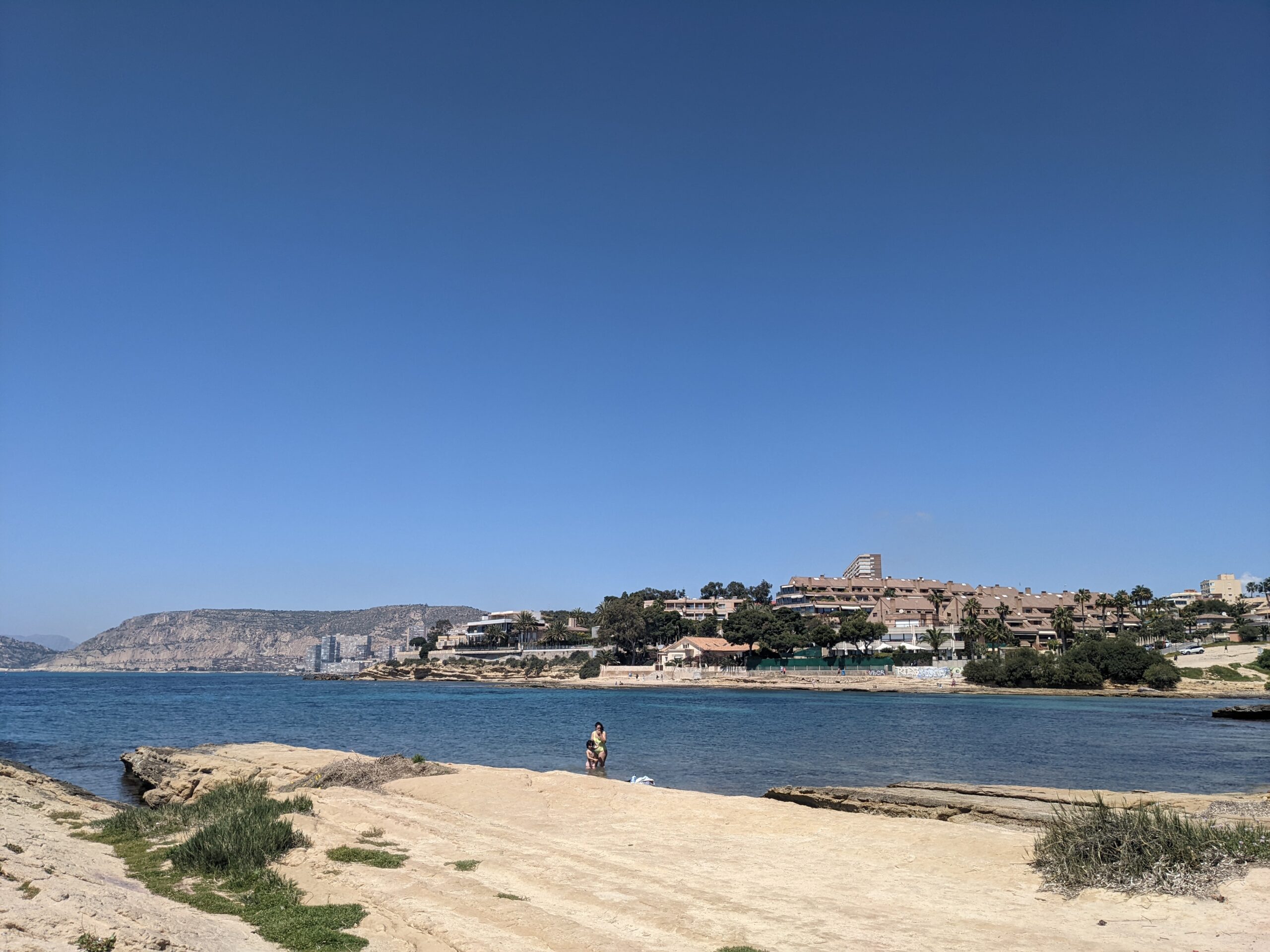
Cabo de las huertas: A little peninsula, a few kilometres away from the centre, has nice little coves where you can relax with a book in hand or go for a swim.
When: to get away from the hustle and bustle of the city
Now that you know more about the different neighbourhoods of Alicante don’t skip past our guide about where to stay in Alicante so that you can both find the perfect place for you AND same some money with our tips.
Alicante’s beaches, ranked by what they’re good for
San Juan is the best (covered above), but there are five others within a tram or short drive, and each does a different job.
| Beach | Best for | How to get there | Vibe |
|---|---|---|---|
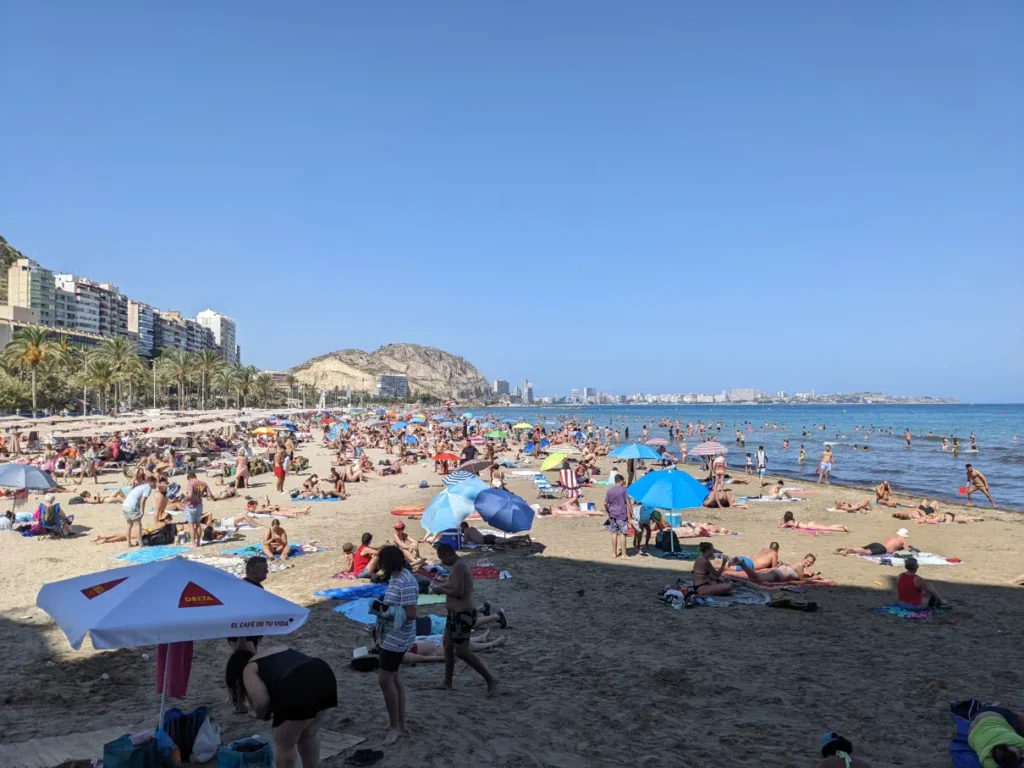
| Postiguet | Quick swim from town | 5-min walk from centre | Urban, busy, easy |
| San Juan | Long beach day | Tram L1/L3/L4, ~25 min | Wide, calm, family |
| Albufereta | Families with small kids | Tram L1/L3, ~15 min | Sheltered cove, shallow |
| Cabo de las Huertas | Snorkelling, quiet | City bus or car | Rocky coves, few facilities |
| Urbanova | Empty beach, sunset | City bus or car, ~20 min south | Long, plain, exposed |
| El Saladar | Wind sports | Same direction as Urbanova | Open, often windy |
If you only have time for one beach beyond San Juan, make it Cabo de las Huertas. The coves there are the closest the city gets to the wilder Costa Blanca farther north. Quiet, rocky, and good for snorkelling on a calm day. Pack swim shoes.
If you are into beaches don’t forget to check out my guide about the best beaches in Alicante!
Festivals and events worth planning around (or away from)
Alicante’s calendar has one festival you should try to catch and a few smaller ones that are worth knowing about.
Hogueras de San Juan (June 20-24) is the big one. The streets fill with huge papier-mâché figures called hogueras, the tallest of them as high as a building, and on the night of the 24th they all burn. Bonfires are lit on the beaches at midnight. The smoke and the heat and the crowds are intense, and it is the single best time to see Alicante in its element. Book accommodation months ahead.
Moros y Cristianos happens in many Costa Blanca towns through spring and summer (the most famous is in Alcoy, late April). Costumed parades reenact the medieval reconquest, with a level of pageantry that surprises first-time visitors. Worth a day trip if dates align.
Semana Santa (Holy Week) in Alicante is more restrained than in Andalusia. Quieter processions, calmer streets, but worth seeing if you’re in town in the week before Easter.
Three Kings parade (January 5) is a family event in the late afternoon. Sweets are thrown from floats. Hotels are quiet, restaurants are open. A good time to visit if you want the city without the crowds.
The week to avoid, if you don’t want crowds and heat together, is the second week of August. Spaniards are on holiday, the city is full, and the temperature regularly tops 32°C with humidity to match.

The best viewpoints in Alicante
If you take photos, plan one of these into your day.
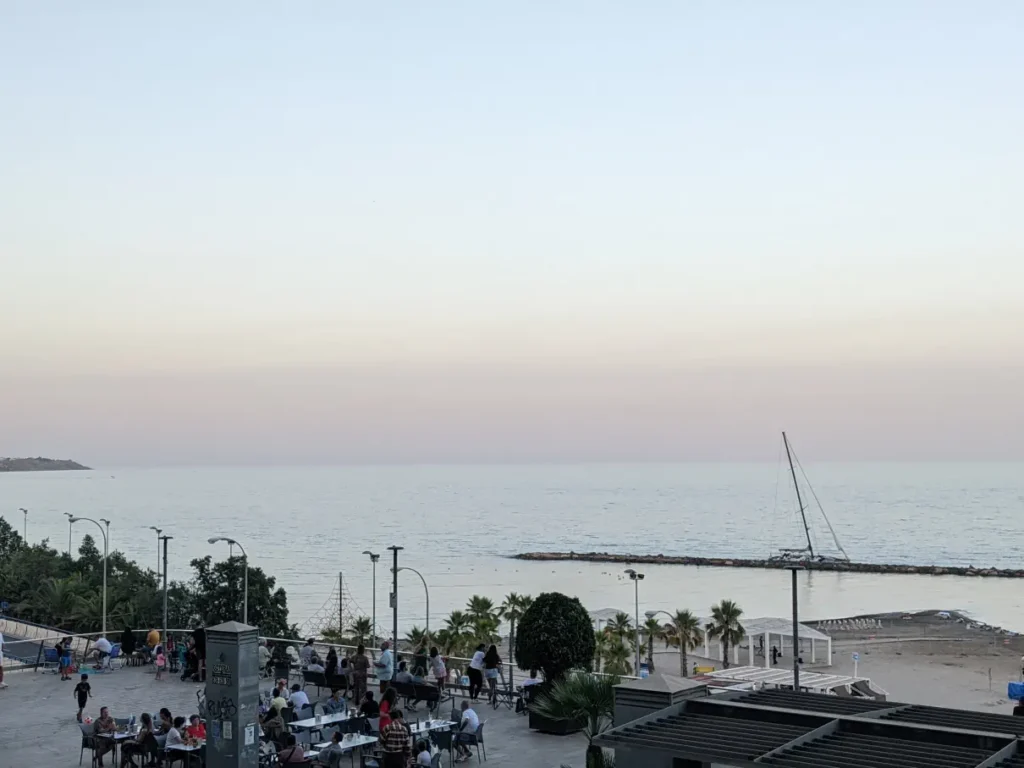
- Castillo de Santa Bárbara, west side, around sunset. The lift goes up from near Postiguet beach. The classic view is from the lower terraces facing west over the old town and harbour. Light is best in the hour before sunset.
- Tossal de Manises (Lucentum ruins). A small archaeological site north of the city, behind the Albufereta tram stop. From the upper edge you look down on the bay with San Juan spread out below.
- Cerro de San Julián. The other hill behind the centre, less visited than Santa Bárbara because there’s no lift. The walk up takes about 20 minutes from the old town. You get the castle itself in the frame, which you don’t from inside it.
- Marina at blue hour. The boats and the city lights and the castle all line up. Walk out along the wave-breaker for the best angle.
- Cabo de las Huertas cliff path. The eastern tip of the city, looking back toward Santa Pola and the salt pans. Best in the morning when the light comes from behind you.
Practical tips for first-time visitors
None of this is covered in any other section, but you will want to know it.
Airport (ALC) to the city. The C-6 city bus runs every 20 minutes from outside arrivals, costs a few euros, and gets to the centre in about 25 minutes. A taxi runs roughly five times that. There is no tram or train link directly from the airport. The bus is the public option.
Language. Spanish (Castellano) is what you’ll hear, but signage is bilingual. You’ll see Valenciano on streets, transport, and menus. The two share most words but spell them differently. English is fine in tourist areas, patchy outside.
Money. Contactless cards work everywhere, including most beach kiosks and tram ticket machines. You don’t need cash for daily use. Tipping is not required. Round up a euro or two for good service.
Tap water. Drinkable, but locals usually prefer bottled. The taste is fine in the centre, less so closer to the coast.
Siesta. Smaller shops close from 14:00 to 17:00, especially in summer. Restaurants run on a Spanish clock. Kitchens often don’t open until 13:30 for lunch and 21:00 for dinner. Plan around it or eat at the tourist places that don’t.
Safety. Alicante is a calm city by Spanish standards. Pickpocketing exists in the busiest tourist areas (Esplanada, Mercado Central, the main tram stop), but violent crime is rare. Standard city sense applies.
If you want the deeper version of how to move around (tram lines, taxi prices, when a rental car actually saves you time), my transport guide is here.
Alicante with kids: why it works
Three things make Alicante easier with children than most Mediterranean cities.
First, the beaches are flat and shallow for a long way out. San Juan and Albufereta both shelve gently. At low tide a small child can walk twenty metres before the water reaches their waist.
Second, the tram is genuinely useful. Lines L3 and L4 run from the centre out along the beaches, and pushchairs roll on without folding. You can do “town in the morning, beach in the afternoon” without a car.
Third, the food is forgiving. Spanish menus default toward grilled fish, simple rice, croquetas, and tortilla. Fussy eaters survive comfortably. In addition to your usual McDonalds’ and Taco Bell’s some local chains such as Lizarran and 100 Montaditos also offer food that kids tend to like.
The Volvo Ocean Race museum at the harbour is a good rainy-hour stop, the lift to Castillo de Santa Bárbara saves the climb, and the ferry to Tabarca counts as an adventure for anyone under ten. Pack swim shoes for Cabo de las Huertas. The rocky coves are not flip-flop terrain. Or try the neon minigolf in downtown.
How to get around Alicante
By foot: the city centre, the old town, the castle and the beach (Playa del Postiguet) are all within a kilometre, making Alicante an excellent walking destination. There are plenty of pubs everywhere for a refreshing stop! One of many ways to save money in Alicante.
By taxi: taxis are a little less frequent in the larger towns, but there are usually taxis at the taxi rank and the PideTaxi app helps.
Public transport: trams are reasonably fast (lines 1&3), as are some buses. Some, however, are downright slow and the intervals are long. Google Maps shows you the easiest way to get to your destination in Alicante.
By bike: There are few cycle paths compared to Barcelona and Valencia, but Playa del Postiguet, for example, is very accessible in the direction of San Juan.
Get Spain travel tips in your inbox
Occasional, genuinely useful emails — best times to visit, local tips, and deals. No spam.
Plan your trip to Spain
- Trip.com: A great source for finding flights and airport connections. I have noticed that it finds flight connections that some other search engines miss.
- Booking.com: My favourite site for booking hotels and apartments (and occasionally flights). They have the best filters and I like the user friendly interface.
- Hotels.com: The most popular hotel booking platform in many countries, US included.
- Get Your Guide: A massive selection of tours and excursions. They have tons of options available in Spain, including walking tours, cooking classes, museum options, boat tours and more!
- DiscoverCars: Want to explore charming villages and get out of the busy cities? DiscoverCars pools together the best offers from car rental operators for your convenience.
- Omio: Want to find the best option to move between cities in Spain? I use Omio for that. Plus you get to book the ticket from the same amazing platform.
- yesim: Need a local SIM card for your trip to Spain? A stress free holiday nowadays (unfortunately) might start from a good connection, so get an eSIM with unlimited or prepaid data.
- NordVPN: Hotel, café and airport Wi-Fi in Spain is shared with everyone else on it. A VPN keeps your banking and bookings private, and lets you watch the services you already subscribe to at home while you are away.
- VisitorCoverage: Not interested in checking out Spanish public health care system on your holiday? (like I've managed to do..) A cheap travel insurance gets that stress out of the way.
Some links above are affiliate links. If you book through them I may earn a small commission, at no extra cost to you.